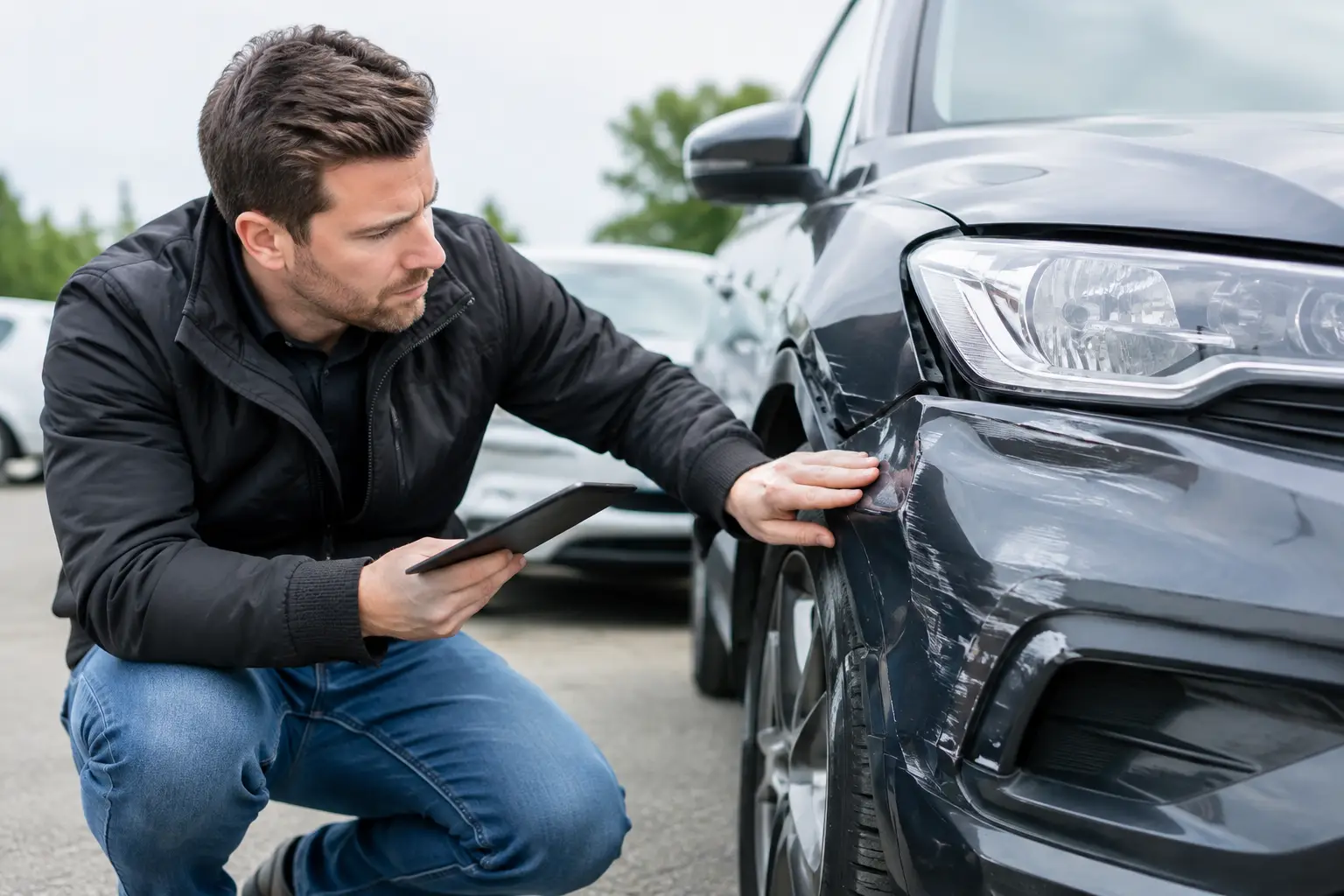
A car can look clean on an advert, drive politely around the block and still have an insurance write-off recorded against it. Knowing how to check if car is written off before you travel, negotiate or transfer money gives you the chance to decide on evidence, not the seller’s description.
The 30-second answer
Check the vehicle’s registration with a reputable vehicle-history service and look specifically for an insurance write-off marker. If one is recorded, identify the category, compare it with the advert and seller’s account, then inspect the repair quality carefully before deciding whether the price reflects the risk.
A recorded write-off is not automatically a reason to walk away. But an undisclosed write-off, vague paperwork, poor repairs or a price that barely reflects the history are serious reasons for caution. A warning is not an accusation, but it is a prompt to ask better questions before money changes hands.
What does “written off” actually mean?
An insurer may write off a vehicle when it decides that repairing it is not economical, practical or safe under its claims process. That does not always mean the car was destroyed or that it cannot legally return to the road.
The decision can reflect repair costs, parts prices, labour rates, vehicle value and the cost of providing a replacement vehicle while repairs take place. A relatively modest impact can result in a write-off on an older or lower-value car, even where the damage appears repairable.
For a used-car buyer, the key question is not simply, “Has it been written off?” It is: “What damage was sustained, what repairs were made, who carried them out, and does the current price properly account for the history?”
Check the write-off category, not just the headline
A history check may show an insurance category. The category provides a starting point, but it does not replace a proper viewing and inspection.
Category A and Category B
Category A vehicles are intended to be crushed in full. Category B vehicles have suffered severe damage and should not return to the road as complete vehicles, although some parts may be salvaged where appropriate. If a vehicle offered for normal road use appears to have either of these categories, stop and investigate immediately. Do not assume an advert has simply made an innocent mistake.
Category S
Category S means the vehicle sustained structural damage. It may be repaired and returned to the road, but the repair needs particular scrutiny because the structure of the vehicle was affected. Ask for repair invoices, photographs from before and during repair, and details of the bodyshop involved.
Structural repairs can be carried out properly. Equally, poor alignment, compromised crash protection, uneven panel gaps and tyre wear may not be obvious in carefully edited advert photographs. An independent physical inspection is a sensible cost where you are seriously considering a Category S car.
Category N
Category N means the vehicle did not have recorded structural damage, but it may still have suffered substantial non-structural damage. This can include body panels, suspension components, steering, brakes, electrical systems, lights or safety equipment.
Do not read “non-structural” as “minor”. Modern cars contain sensors, cameras, wiring and driver-assistance equipment that can be expensive and difficult to repair correctly. A Category N car can be a fair purchase, but only when the repair evidence, condition and price all stack up.
Start with the registration, then verify the car in front of you
Run a vehicle-history check before arranging a long journey or paying a holding deposit. A proper report should show whether a write-off marker is returned and present it alongside other useful buying evidence, such as MOT history, recorded mileage, finance and theft indicators, ownership or plate history where available.
Then make sure the registration belongs to the vehicle you are viewing. Check that the number plates, V5C details and vehicle identification number are consistent. The VIN can usually be found at the base of the windscreen and on the vehicle’s body or documentation, depending on the model.
Be cautious if a seller says the car has a private plate, has recently changed registration or is waiting for paperwork. These situations can be legitimate, but they make verification more important, not less. Never use a mismatch as a reason to rush past it.
A report can only reflect data returned from the connected sources. If a field is unavailable or unknown, it is not a green tick. Ask for supporting documents and decide whether you are comfortable proceeding with that uncertainty.
Compare the report with the advert and the seller’s story
A seller who openly states that a vehicle is Category N or Category S, explains the damage and provides repair evidence is giving you something useful to assess. That does not prove the repair is good, but it is very different from discovering a history marker after the seller described the car as “immaculate” or “never damaged”.
Ask when the damage occurred, what parts were replaced, whether airbags or seatbelts deployed, and whether any calibration work was completed for cameras, radar or parking systems. Request dated photographs if they have them. A picture of a completed repair is not the same as evidence of the original damage.
Listen for answers that do not quite fit. “Only cosmetic” does not sit comfortably with a Category S marker. “I do not know, I bought it like this” may be honest, but it means you have less evidence on which to base a purchase. Less evidence should usually mean a lower offer or a decision to walk away.
Inspect for signs of poor repair
A history check tells you that a write-off was recorded. It cannot confirm the standard of every repair. At the viewing, inspect the vehicle in daylight and take your time.
Look along both sides of the bodywork for ripples, mismatched paint texture, overspray, uneven shut lines and panels that sit proud or recessed. Check that doors, bonnet and boot open and close smoothly. Examine tyre wear across each tyre, as unusual wear can point to alignment or suspension issues, although it has other possible causes too.
Inside, check that warning lights illuminate at ignition-on and go out after starting. Test lights, windows, air conditioning, parking sensors, cameras and infotainment functions. On a test drive, pay attention to the steering wheel sitting straight, the car tracking consistently, braking without pulling and unexpected rattles over uneven roads.
None of these checks can certify a repair. If the car has a write-off history, particularly Category S, arrange an independent inspection by a qualified professional before committing. The cost is small beside buying a car with hidden safety or repair problems.
Price the risk honestly
A written-off car normally needs to cost less than an equivalent vehicle with no such history. The exact discount depends on the category, age, repair quality, evidence available, condition and local demand. There is no universal percentage that makes every write-off car a bargain.
Think beyond the purchase price. You may face lower resale value, a smaller pool of future buyers and possible insurance considerations. Obtain insurance quotes for that exact registration before paying a deposit, especially if you are a younger driver or working to a tight monthly budget.
A low asking price is not automatically value. It can be fair compensation for a fully evidenced repair and the reduced resale value. Or it can be the price of uncertainty. If the discount is modest but the evidence is thin, you are taking on the downside without being paid for it.
A practical decision before you buy
Use the history result, seller disclosure, repair evidence, physical condition and price together. A car with a declared Category N marker, convincing documents, a clean inspection and a meaningful discount may be worth considering. A Category S vehicle may also be viable, but the threshold for evidence and professional inspection should be higher.
Choose caution when the seller did not disclose the history, cannot explain the repairs, pressures you to pay quickly or will not allow a proper inspection. Walk away where vehicle identity does not add up, safety concerns appear, or the numbers no longer make sense.
For £9.99, a Full CarSussed Buyer Report can place a returned write-off indicator alongside MOT, mileage and other history checks, then turn the evidence into a buyer-focused verdict, questions to ask and negotiation guidance. It cannot inspect the vehicle or make unknown data safe, but it can help you spot the risks worth investigating before you commit.
The best time to find out a car has been written off is before you have booked the train, paid a deposit or convinced yourself that the advert is too good to miss.